History
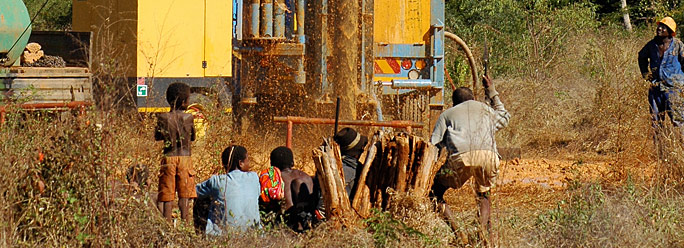
The Ranobe Resource has been the subject of over US$20million of exploration and evaluation expenditure since it was discovered by World Titanium Resources in 1999.
Initial exploration work in the Toliara area was carried out in 1999 and resulted in mineralised sands being identified Ranobe as well as further north at Ankililoaka, Basibasy and Morombe. Further drilling was undertaken in 2000, 2001 and 2003 by which time the resource at Ranobe had been defined.
The Ranobe Mine was the subject of a complete Prefeasibility Study and an incomplete Bankable Feasibility Study carried out by Exxaro Resources Ltd (Exxaro) from 2003 to 2009 and a considerable amount of work has been completed. This includes resource definition (JORC compliant resources) and feasibility study standard reports for mining, processing, infrastructure, environmental and social matters.
Exxaro studied the Ranobe project in great detail, defining it in terms of using the deposit’s ilmenite as feed material for its existing smelter operations in South Africa. The feasibility study highlighted a portion of the deposit containing a JORC compliant drilled resource of 710 million tonnes at an average grade of 6.3% heavy minerals, to be mined using large scale dredging, similar to the east coast South African operations of Richards Bay Minerals. Approximately US$17 million was spent by Exxaro on the preliminary feasibility study and components of a bankable feasibility study, including the establishment of a Mineral Resource estimated in accordance with the JORC Code.
A large-scale dredging operation at Ranobe to provide smelter feed for a South African smelter did not meet Exxaro’s investment criteria and, given the adverse global economic and Madagascan political conditions at the time, Exxaro terminated the joint venture with WTR in July 2009.
Following the termination of the Exxaro JV WTR undertook a comprehensive review of the Ranobe Mine project and developed a new concept for a mineral sands mine at Ranobe to deliver ilmenite, zircon and rutile to world markets. The revised project concept delivers robust economics from the initial development while retaining considerable scope for further expansion.